Dubai Group Transportation Guide
Planning a journey with family, colleagues or event guests? Learn how to compare cars, vans, minibuses and coaches, allow for luggage, and organize practical pickup and travel arrangements across Dubai.
How Do You Choose Group Transportation in Dubai?
Find the Right Planning Advice
Use these sections to work through vehicle choice, luggage, route organization and the details worth checking before your group travels.
Start With Group Size
Before comparing a passenger van, minibus or coach, write down how many people will actually travel. Include children, organizers, guides and anyone joining only part of the journey. A group of twelve people travelling with small backpacks has different transport needs from twelve passengers arriving with full-size suitcases. The number of travellers is the starting point, not the complete answer.
We advise separating your count into confirmed passengers, possible additional travellers and any passengers who may need easier access. This prevents an apparently suitable vehicle from becoming inconvenient when the final guest list changes. Where several families or departments are involved, appoint one person to confirm the numbers so that different versions of the list do not circulate.
Consider the journey length as well. A short transfer from a hotel to a venue is not the same experience as a full day with several stops. Think about whether passengers need room to settle in, whether they will board repeatedly and whether the group expects to remain together between attractions. Those practical details can matter more than choosing the smallest vehicle that technically has enough seats.
If your group has several pickup locations, do not assume that one large vehicle is automatically easier. Collect the addresses and preferred times first. Sometimes a central meeting point reduces confusion; in other cases, separate pickups may be more realistic. The best arrangement depends on your itinerary and the locations involved.
Our broader group transportation service in Dubai explains available service arrangements. This guide concentrates on how to think through the choice before requesting a specific vehicle.
Van vs Minibus vs Coach: Quick Comparison
This is a planning comparison, not a claim that every vehicle has the same seat or luggage configuration.
| Vehicle | Typical planning use | Check before choosing |
|---|---|---|
| Car or SUV | Small party, family or executive transfer | Occupied seats, bags and child seating |
| Minivan | Smaller group travelling together | Seating layout and luggage space |
| Passenger van | Group that wants a shared journey | Boarding, bags and number of stops |
| Minibus | Organized medium-sized group | Passenger access and venue pickup |
| Coach | Large event or tour group | Meeting point, access and return plan |
Small Groups: Cars & Minivans
For a small party, a car, SUV or minivan may provide a simpler travel experience than a larger passenger vehicle. Families, visiting executives and friends travelling together often value straightforward access and fewer moving parts. The right choice depends on who is travelling, how much they carry and how much time they expect to spend in the vehicle.
A chauffeur car can suit a small number of passengers travelling light. A minivan may be worth considering when several people need to remain together or when their bags make a conventional car inconvenient. An SUV may appeal to travellers seeking a different seating position or a premium travel experience, but its luggage space can change significantly when more seats are occupied.
Do not select a vehicle simply because it is described as a seven-seater or an eight-seater. Ask which seats will be used, where luggage will go and whether the arrangement suits the passengers. A child seat, stroller or large suitcase can change the practical fit of the cabin. Share these needs before making a decision rather than discovering them at pickup.
If two families are arriving at different times, decide whether they should meet at one point or travel separately. Keeping everyone in one vehicle can simplify the journey once they have gathered, while separate vehicles can reduce waiting when arrival schedules differ. Neither approach is universally better.
For an overview of smaller passenger options, explore our vehicle fleet and compare the cabin layouts relevant to your group.
Medium Groups: Vans & Minibuses
Passenger vans and minibuses often become relevant when the group is too large for a conventional car but does not require a full-size coach. They can help families, tour parties, corporate visitors and event guests travel as one coordinated group. The main planning challenge is balancing occupied seats, baggage and the number of stops.
For a city sightseeing itinerary, consider how frequently passengers will get on and off. Easy group coordination may be more important than selecting a vehicle with the largest nominal seating capacity. If the itinerary includes shopping, airport luggage or equipment, tell us about it in advance so the vehicle can be assessed for actual usable space.
One minibus can simplify communication: the group leader gives instructions once, passengers hear the same departure time and everyone arrives together. However, the pickup location must accommodate the vehicle and the route must be suitable. Hotel entrances, crowded venues and narrow access points should be checked rather than assumed.
For some parties, a passenger van is more flexible; for others, a minibus provides a better balance of seating and movement. Our minibus transportation options in Dubai explain that vehicle category in more detail. Here, the key is to decide what the group needs before focusing on a particular model.
When planning a day with several destinations, build in a clear regrouping process. Identify the person responsible for the passenger count at each departure and agree how the group will communicate if someone is delayed. A suitable vehicle is only one part of a smooth group journey.
Large Groups: Coaches
For a larger gathering, a coach may help move passengers together under one coordinated plan. This can be useful for conferences, large sightseeing groups, organized events and guests moving between hotels and venues. The benefit is not simply more seats: it is the ability to establish a shared departure and arrival process.
Before choosing a coach, confirm how the group will gather. If attendees are spread across several hotels or have different schedules, one large departure may be inconvenient. You may need a central pickup point, staged transfers or more than one vehicle. The right answer comes from the event schedule rather than from passenger numbers alone.
Coaches also need practical loading arrangements. Consider where passengers will stand while waiting, how bags will be handled and whether the pickup area can accommodate the vehicle. An event organizer should confirm access with the venue and communicate a recognizable meeting point to guests.
If the group will make frequent short stops, ask whether a coach is appropriate for those locations. A large vehicle may be excellent for moving everyone between major venues but less convenient for a route with constrained access. For detailed category information, see our bus and coach transportation in Dubai.
For events, plan both the outbound and return movements. Guests do not always leave together. A single return departure works for some schedules, while staggered transfers are easier for others. Think through the end of the journey as carefully as the start.
Luggage & Equipment
Luggage is one of the most common reasons a vehicle that looks suitable on paper becomes uncomfortable in practice. Seat count tells you how many seats a vehicle may have; it does not tell you how many large suitcases, strollers, presentation cases or other items can be carried alongside a full passenger load.
For airport transfers, ask each traveller to report their checked bags and cabin bags. A group with several large suitcases needs a different layout from the same number of people attending a meeting with laptop bags. Where practical, identify oversized items separately, including sports equipment, display materials and mobility aids.
We recommend keeping luggage information specific. Instead of saying “normal luggage,” state the approximate number of large cases, small cases and special items. If exact dimensions are important, provide them. This allows the proposed vehicle arrangement to be considered realistically without relying on a generic luggage-capacity claim.
Keep aisles, doors and emergency access clear. Bags should not be treated as an excuse to occupy space intended for safe passenger movement. If luggage cannot be accommodated appropriately, the better decision may be a different vehicle or an additional vehicle rather than trying to squeeze everything inside.
Our passenger and luggage capacity guide explores this issue more deeply. In this broader article, the practical rule is simple: count the bags before selecting the vehicle.
Airport, Tours & Events
Group transportation changes according to the purpose of the journey. An airport arrival is driven by flight timing, baggage collection and meeting-point clarity. A sightseeing day depends on attraction order and time spent at each stop. An event transfer is usually shaped by a fixed schedule and the number of people who must arrive together.
For airport arrivals, gather flight numbers, terminal details where known, passenger names or group identifiers and an agreed way to communicate after landing. If travellers arrive on different flights, decide whether the group can reasonably wait or whether separate pickups would be more comfortable. Plan for the fact that leaving the aircraft and reaching the pickup point are not the same moment.
For sightseeing, avoid building a schedule that leaves no room for boarding, traffic or finding the group. Identify the most important attractions first, then arrange them in a logical sequence. Make sure everyone understands how long they have at each stop and where to return. A good itinerary is one the group can actually follow, not merely a list of places.
For conferences and exhibitions, identify the time attendees must be inside the venue, not only the time they want to reach the road outside. Registration, security, walking from the drop-off point and gathering colleagues can all affect the plan. Assign a coordinator for the outbound and return legs.
For weddings and private celebrations, think about guests with different schedules, older relatives, families with children and the possibility that some guests will leave earlier. A single shared journey can be convenient, but it should reflect how people will actually attend the event.
For detailed airport-specific planning, read our Dubai airport group transfer guide. This article focuses on the planning principles that apply across many types of group travel.
Multiple-Vehicle Planning
One vehicle is often easier to coordinate, but multiple vehicles can be the better choice when the group is spread across different pickup locations, has mixed schedules or carries more luggage than one vehicle can reasonably handle. The aim is not to minimize vehicle count at any cost; it is to organize a journey that works for the passengers.
Consider a group attending a conference with a few executives arriving from one hotel and the rest of the delegates from another. One coach might be efficient if everyone can meet centrally. Two smaller vehicles might be more practical if the departure times or locations differ. Compare the actual route and schedule before deciding.
Multiple vehicles require more coordination. Decide who will travel in each vehicle, which vehicle carries which bags and who is responsible for confirming departures. Share pickup instructions with each subgroup, and avoid changing the passenger allocation at the last minute unless the organizers and drivers have the updated information.
If the group wants to stay together throughout a sightseeing day, splitting across vehicles may introduce extra complexity at every stop. On the other hand, different interests or mobility requirements can make separate vehicles more comfortable. Ask the group leader to identify which priority matters most: staying together, flexible timing, luggage space or separate pickup routes.
When comparing a coach with two minibuses, consider total travel arrangements rather than just the headline vehicle size. Waiting, stop order, venue access and the ability to keep passengers informed can be just as important as the number of seats.
Comfort, Accessibility & Passenger Needs
A well-planned group journey should account for different passenger needs. Older travellers may prefer fewer boarding steps or more time at stops. Families may need to plan for children, strollers and seating arrangements. Business guests may prioritize punctuality and a quiet ride. None of these requirements can be answered by passenger count alone.
If anyone uses a wheelchair or requires particular boarding assistance, explain the need before choosing a vehicle. Do not assume every van, minibus or coach has accessible equipment or a suitable entrance. The appropriate vehicle and arrangements must be confirmed for the individual journey.
Longer outings benefit from realistic breaks and an itinerary that does not require passengers to rush repeatedly. Ask whether the group includes people who may need more time to board or walk from the vehicle to the venue. A little extra planning often matters more than adding another attraction to the schedule.
When groups include children, assign adult responsibility clearly and confirm any necessary seating or restraint arrangements in advance. For mixed-age family groups, it can also help to choose meeting points with space to gather safely rather than busy roadside locations.
Pickup, Drop-Off & Timing
Clear pickup instructions are essential for group transport. “Outside the hotel” may not be precise enough when a property has several entrances or a dedicated transport area. Confirm the correct entrance, the group leader’s contact method and the planned meeting time. For large groups, distinguish the time passengers should gather from the intended vehicle departure time.
At airports, confirm the terminal and follow the agreed pickup instructions. At exhibition centres, shopping destinations and large hotels, access arrangements may differ by vehicle type. Ask the venue about its group transport procedures rather than assuming a large vehicle can stop wherever a private car would stop.
Build a realistic schedule around the journey purpose. For a meeting, the important time is when passengers must be ready to attend. For a tour, it is how much time the group needs at each destination. For an event, it is the time guests must arrive before the program starts.
If a route has several stops, communicate the order clearly. A list of addresses without a sequence can lead to misunderstandings, especially when different passengers have different expectations. Share one agreed itinerary and update everyone if it changes.
What Affects Group Transport Costs?
Group transport costs depend on the journey rather than on a single universal price. Vehicle category, duration, distance, number of stops, pickup and return arrangements, waiting time and any special requirements can all affect a quotation. That is why a short one-way transfer and a full-day itinerary should not be compared as though they were the same service.
When comparing quotations, check that they describe the same journey. A lower amount may cover fewer hours, a different vehicle category or a different stop arrangement. Ask what has been included in the proposed service and what would happen if the schedule changes. Clear scope makes the comparison more useful than price alone.
For groups choosing between one coach and multiple vans, consider the full transport plan. Different pickup points and departure times may change the value of each option. Avoid assuming that the largest vehicle is always the most economical or that several smaller vehicles are always more flexible.
Our separate guide to van rental costs in Dubai covers pricing considerations in greater detail. Here, the important lesson is to request quotations against a consistent itinerary and passenger list.
Common Group Travel Planning Mistakes
One common mistake is choosing the vehicle before counting the bags. Another is sending an estimated guest list without checking who is actually travelling. Both can create avoidable last-minute changes. Confirm the passenger and luggage details together so that the proposed vehicle is assessed against the real journey.
Groups also underestimate the time required to gather. A party of twenty people does not necessarily depart the moment the first passenger reaches the meeting point. Build in a sensible assembly period, especially when travellers are checking out of hotels, collecting luggage or leaving a busy venue.
A third mistake is treating the outward journey as the entire plan. Return times, alternate drop-offs and passengers leaving early should be considered before the day begins. Even when exact timing cannot be known, a shared plan reduces confusion.
Finally, avoid sending different versions of the itinerary to different people. Appoint one coordinator to maintain the final passenger list, pickup details and contact information. Consistent communication is a practical part of comfortable group travel.
A Passenger Van for Shared Group Travel
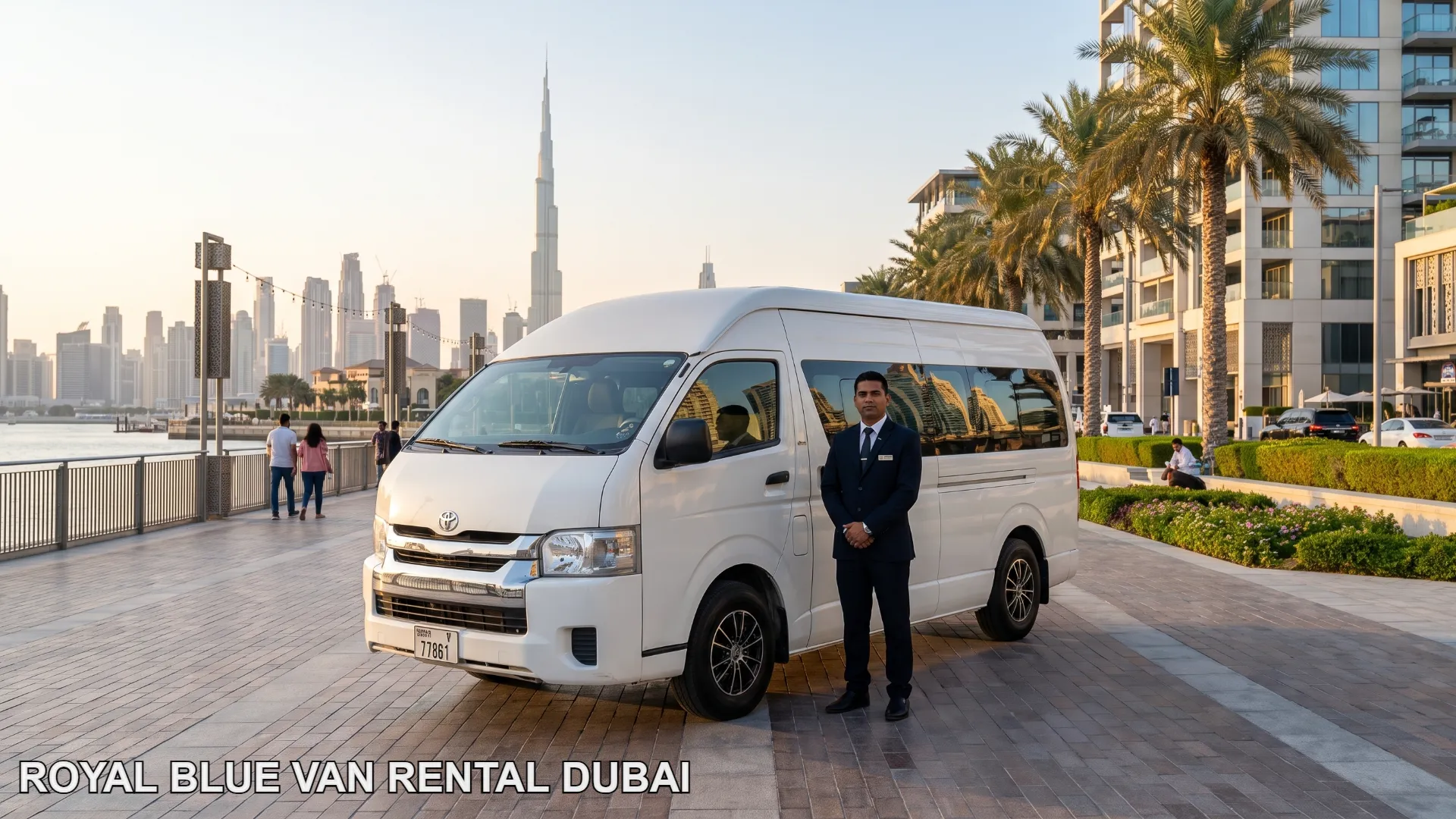
Keep a smaller group together
A passenger van can be practical when everyone follows one schedule and wants to arrive together. Check the real passenger count and baggage requirements rather than relying on the vehicle label alone.
If several travellers will join at different locations, share the stop order in advance. The simplest vehicle is the one that fits both the group and the route.
A Minibus for Coordinated Group Outings
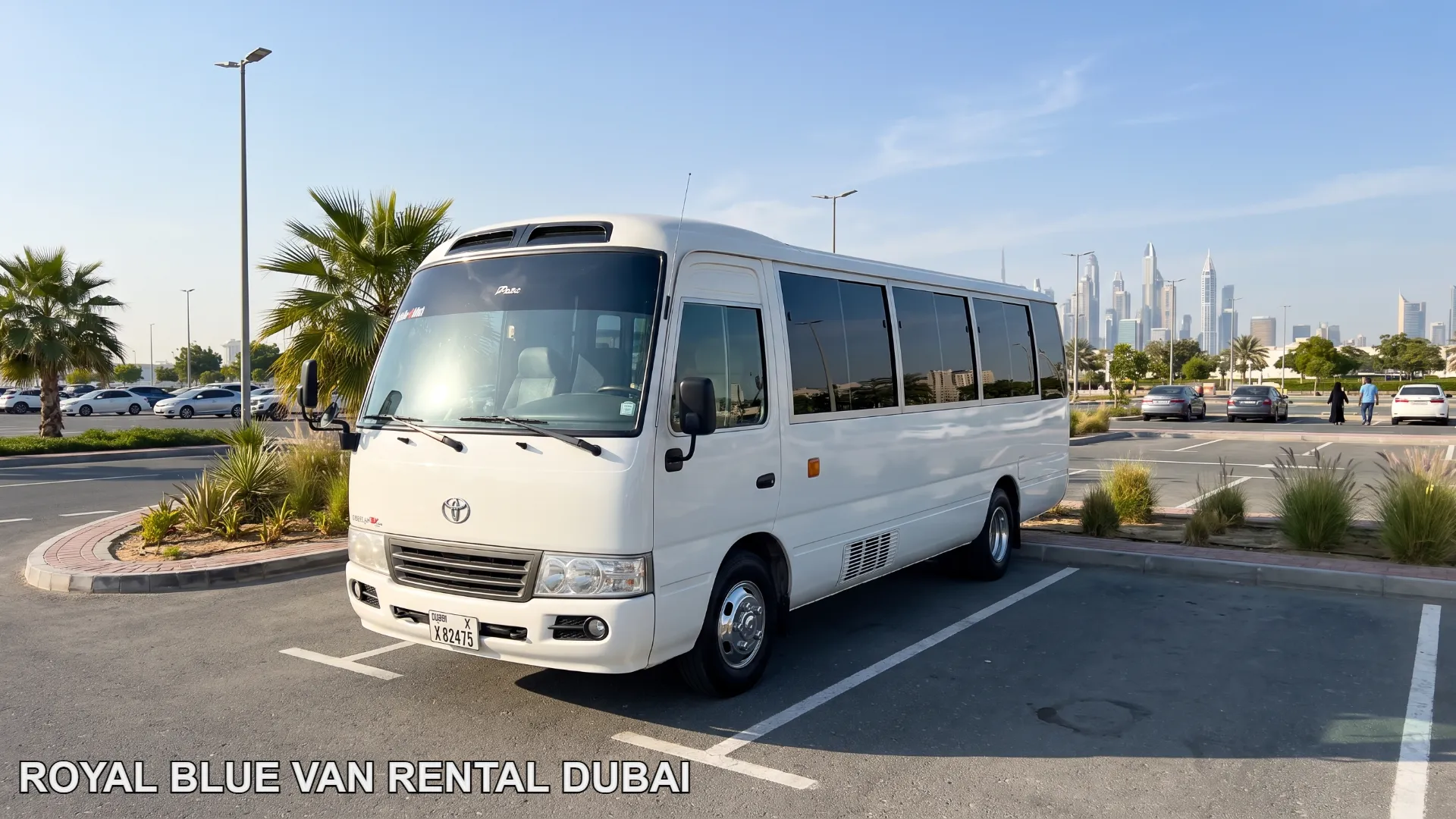
Organize a medium-sized party
A minibus can be useful when a group wants one meeting point, one departure and a shared arrival. Confirm boarding access, the number of stops and any luggage that needs to travel with passengers.
For sightseeing or events, identify one group leader who will confirm that everyone has returned before departure.
A Coach for Larger Group Movements

Plan large group arrivals carefully
A larger vehicle can help keep an organized party on one timetable, particularly for events and conferences. The venue should have a suitable loading area and passengers should receive a precise meeting point.
If attendees will leave at different times, consider whether one return departure is realistic.
One Vehicle or Several?
Use this comparison to decide what matters for your itinerary before requesting a specific vehicle.
| Question | One shared vehicle | Multiple vehicles |
|---|---|---|
| Will everyone depart together? | Often simpler to coordinate | Useful when schedules differ |
| Are pickups spread across Dubai? | May need a central meeting point | Can divide pickup locations |
| Will everyone visit the same stops? | Keeps the group together | Needs subgroup coordination |
| Is luggage unusually bulky? | Confirm actual storage capacity | May allow different allocation |
| Do passengers have different needs? | Check the chosen cabin and access | Can accommodate separate plans |
How Different Group Trips Change the Plan
Airport arrivals
Coordinate flights, baggage collection, terminals and a clear meeting process. Confirm whether all passengers can leave together.
Dubai sightseeing
Agree on attraction order, time at each stop and a consistent meeting point before the day begins.
Corporate meetings
Work backward from the required arrival time and allow for gathering, venue access and registration.
Weddings and celebrations
Consider guests arriving or leaving at different times and families who may need more flexible arrangements.
Hotel group movements
Identify the correct entrance, loading point and the person responsible for gathering passengers.
Family outings
Consider children, older relatives, strollers, breaks and how frequently the group will board.
Group Booking Checklist
Passenger list
Count confirmed travellers, children and any additional organizers or guides.
Luggage inventory
List large suitcases, cabin bags, strollers and unusual equipment.
Journey purpose
Explain whether this is an airport transfer, event, sightseeing day or another trip.
Pickup locations
Provide precise hotel, terminal or venue meeting points.
Itinerary and stops
Share the planned order of destinations and the time needed at each.
Timing
Specify arrival targets, departure plans and possible return journeys.
Passenger needs
Explain boarding, mobility, child seating or other relevant requirements.
Group coordinator
Choose one person to maintain the itinerary and communicate updates.
Vehicle preferences
Share your preference but remain open to a better-fitting vehicle arrangement.
Describe the Group
Confirm travellers, luggage and any boarding needs so the journey can be assessed realistically.
Map the Journey
List pickup points, stops, the intended destination and any return arrangements.
Compare Vehicle Options
Review whether a van, minibus, coach or several vehicles better fits the group and route.
Share One Final Plan
Make sure travellers and coordinators have consistent meeting instructions and timing.
Dubai Group Transportation FAQs
Answers to common questions about choosing a vehicle and organizing a group journey in Dubai.
Which vehicle is best for a group travelling in Dubai?
The best vehicle depends on your confirmed passenger count, luggage, journey length, pickup locations and comfort needs. A small party may prefer a car or minivan, a medium group may benefit from a passenger van or minibus, and a larger organized group may consider a coach. Confirm the actual seating and luggage arrangement before choosing.
How should luggage affect vehicle choice?
Count large suitcases, cabin bags and special equipment separately from passengers. A vehicle with enough seats may still have insufficient usable baggage space when fully occupied. Share your luggage list so that a suitable vehicle or additional transport can be considered.
When are multiple vehicles better?
Multiple vehicles can work better when passengers have different pickup locations, separate schedules, distinct mobility needs or luggage requirements that do not fit comfortably in one vehicle. They require clear passenger allocation and coordinated communication.
What is the difference between a van, minibus and coach?
These are broad vehicle categories with different typical passenger layouts and purposes. A passenger van generally serves a smaller group, a minibus is considered for medium groups, and a coach can suit larger organized movements. Exact seating and baggage arrangements vary by vehicle.
Is a minivan suitable for a family group?
A minivan can suit a family group if the available seats, child seating arrangements and luggage space fit the journey. Families carrying strollers and multiple suitcases should assess practical storage as carefully as passenger count.
Should we choose a minibus or a large coach?
Compare the number of passengers, luggage, route access, meeting point and event schedule. A minibus may be more appropriate for a medium-sized party, while a coach may help move a larger group together. Neither is automatically the better choice for every itinerary.
How do we choose transport for a mixed-age group?
Consider the time passengers need to board, the frequency of stops, comfort during the journey and any accessibility requirements. Explain these needs before selecting a vehicle; do not assume that every vehicle offers the same access features.
Can a group travel with several suitcases?
Group travel with luggage can be planned, but the number and size of bags must be checked against the actual vehicle arrangement. If the available storage is insufficient, a different vehicle or additional vehicle may be necessary.
Which vehicle is suitable for a Dubai airport group transfer?
Choose according to the number of arriving passengers, their baggage, terminal arrangements and whether everyone is on the same flight. A van, minibus or coach may be appropriate depending on the group. Share flight and luggage details before confirming the plan.
What if group members arrive on different flights?
Decide whether everyone can meet and depart together without excessive waiting. If arrival times are far apart, separate pickups or vehicles may make the journey easier. Provide the individual flight details and identify the group coordinator.
How should we organize a Dubai sightseeing itinerary?
Start with the attractions the group most wants to visit, arrange them in a practical order and allow time for gathering and boarding. Agree on meeting points and stop durations, and avoid treating travel time as the only time needed between attractions.
Is one vehicle better for a multi-stop city tour?
One vehicle can make it easier to keep a group together and communicate departure times. Several vehicles may suit groups with different schedules or interests, but require more coordination at every stop.
How do we arrange transport for conference attendees?
Confirm the venue arrival deadline, hotel pickup points, passenger count and any VIP or subgroup requirements. Plan the return as well as the outbound journey, and appoint a coordinator to communicate changes.
What should we consider for wedding guest transportation?
Consider where guests are staying, when they need to arrive, whether families have children or older relatives, and whether everyone will leave at the same time. Clear pickup instructions and a realistic return plan are particularly helpful.
How should hotel group pickups be organized?
Confirm the exact entrance or transport pickup area, communicate a meeting time earlier than the planned departure, and appoint one person to check that all passengers have gathered. Large hotels may have more than one suitable meeting point.
Can different groups use separate vehicles?
Separate vehicles may be useful when groups have different departure times, locations or travel needs. Share a clear passenger allocation and itinerary for each vehicle to avoid confusion.
Is one large coach more economical than multiple vans?
There is no universal answer. The total cost depends on vehicle categories, journey duration, route, waiting and pickup arrangements. Compare quotations for the same passenger list and itinerary rather than assuming one arrangement will always cost less.
What factors affect the cost of group transportation in Dubai?
The vehicle category, distance, duration, number of stops, waiting arrangements, pickup locations and any special requirements can affect a quotation. Provide a complete itinerary so different options can be compared fairly.
How do waiting time and additional stops affect planning?
Waiting and extra stops can extend the journey and change the agreed schedule. Identify likely stops and time at each destination before requesting a quotation, and confirm how changes would be handled.
What information is needed to arrange group transport?
Provide the passenger count, luggage list, pickup and drop-off points, date, desired timings, journey purpose, planned stops and any accessibility or child seating requirements. A group coordinator’s contact information is also useful.
How early should a group arrive at the pickup location?
Allow enough time for passengers to gather, locate the meeting point and board without rushing. The appropriate assembly time depends on the size of the group, the venue and the amount of luggage; communicate it separately from the departure time.
What should a group organizer confirm before departure?
Check the passenger list, final itinerary, pickup point, departure time, luggage allocation and contact method. Make sure everyone has the same updated instructions and knows who is coordinating the journey.
What common mistakes should we avoid when selecting transport?
Avoid choosing solely by seat count, overlooking luggage, underestimating boarding time and forgetting return arrangements. Also avoid sending conflicting itineraries to passengers and coordinators.
How can we make group travel easier for everyone?
Use one confirmed passenger list, share a realistic itinerary, choose an appropriate vehicle arrangement, provide clear meeting instructions and assign a coordinator. Include time for boarding, breaks and the needs of different travellers.
Related Group Travel Guides
A Good Group Journey Starts With a Clear Plan
Before choosing a vehicle, share one accurate passenger list, a realistic luggage count and an itinerary everyone understands. We can then discuss the most suitable transport arrangement for your group, whether that means a passenger van, minibus, coach or coordinated vehicles. If you are comparing passenger van rental Dubai options, begin with the needs of your travellers rather than a vehicle label.
Share Your Group Travel Details With Us
Tell us how many people are travelling, where you need to go and what luggage or special arrangements you have. We will help you review suitable group transport options.